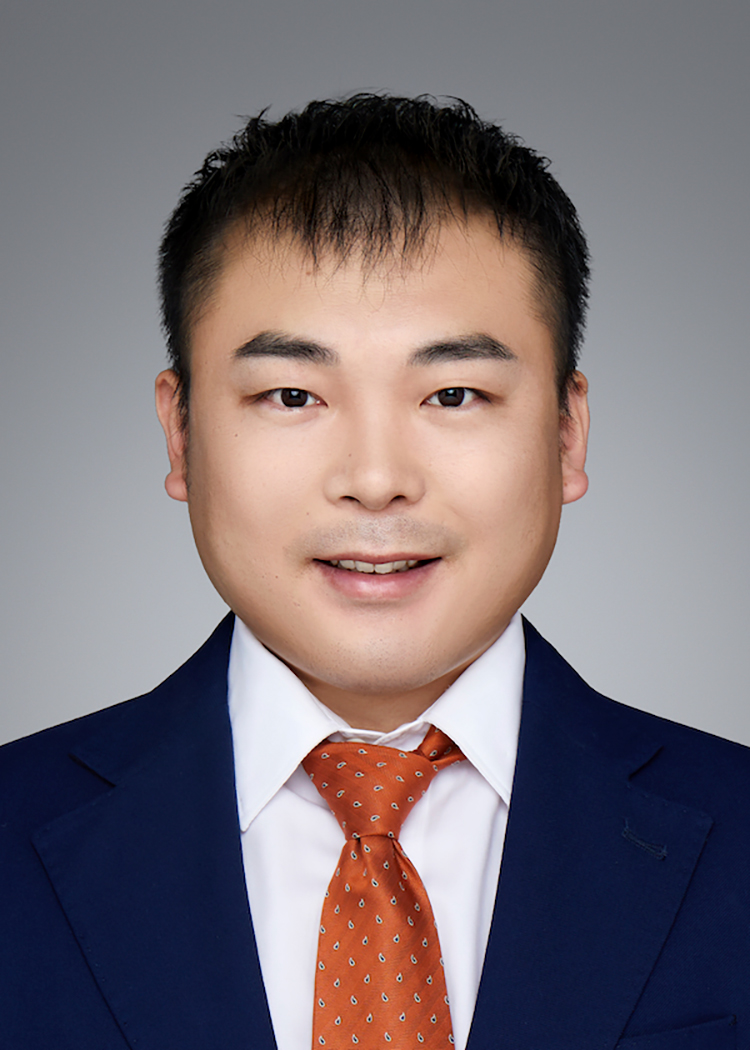
主讲人 许岩岩 上海交通大学 时间 2026年6月24日 星期三 上午 10:30-12:00 地点 学院104会议室
Abstract Understanding human mobility patterns in urban areas is crucial for urban governance, but underdeveloped regions often face a severe shortage of data. To overcome the limitations of traditional physical models' limited fitting capabilities and deep learning models' susceptibility to overfitting and poor transferability, the research team proposed a physics-inspired deep learning model called neuroGravity. Relying solely on publicly available data on the built environment and population distribution, the model first uses link prediction to identify origin-destination pairs with potential mobility flows. Next, it provides a physics-informed baseline flow estimation via a meta-Gravity, and finally refines the results using a graph neural network. This innovative framework successfully integrates the high interpretability and strong transferability of the gravity model with the graph neural network's ability to capture complex spatial dependencies, enabling the reliable reconstruction of urban human mobility networks even with almost no local observational data. Biography 许岩岩,上海交通大学人工智能研究院长聘教轨副教授,入选国家海外高层次人才计划青年项目、上海市海外领军人才、上海市浦江人才计划。2015年至2020年于MIT、UC Berkeley任职博士后,2017年至2018年任职劳伦斯伯克利国家实验室客座博士后。许岩岩团队重点研究人工智能+复杂科学,并在计算城市科学、AI for Science特别是人工智能化学领域开展研究。针对复杂城市系统优化、有机化学合成、自动化实验等重大问题提出了一系列创新解决方案。城市科学重点以交叉学科视角,研究城市复杂系统中的人类移动行为、人类与建成环境的交互关系,并以数据驱动的方式对城市复杂系统进行建模与优化,特别是城市尺度上的交通拥堵、电力网络、设施规划、大气污染、疫情传播等重大问题。AI化学领域,团队发布了首个具备反应生成与“人在环路”反馈优化能力的化学大语言模型——白玉兰科学大模型BAI-Chem,在多项任务评测中均达到或大幅度超越当前最优方法,并通过湿实验证实了大语言模型在实验指导上的显著优势,有望加速变革性分子合成,该成果也作为大模型加速科学研究的代表性工作入选《Science》2025年十大科学突破。研究成果已发表于Nature Energy, Nature Computational Science (封面), Nature Machine Intelligence, Science Advances, 以及CCF A类会议,被Nature Asia、彭博社等多家国际媒体报道。